Stage 4
 Stage 4
Hashish — The Solventless One
This one's hands-on and solvent-free, so it's taught start to finish.
The mistake I’ll open on
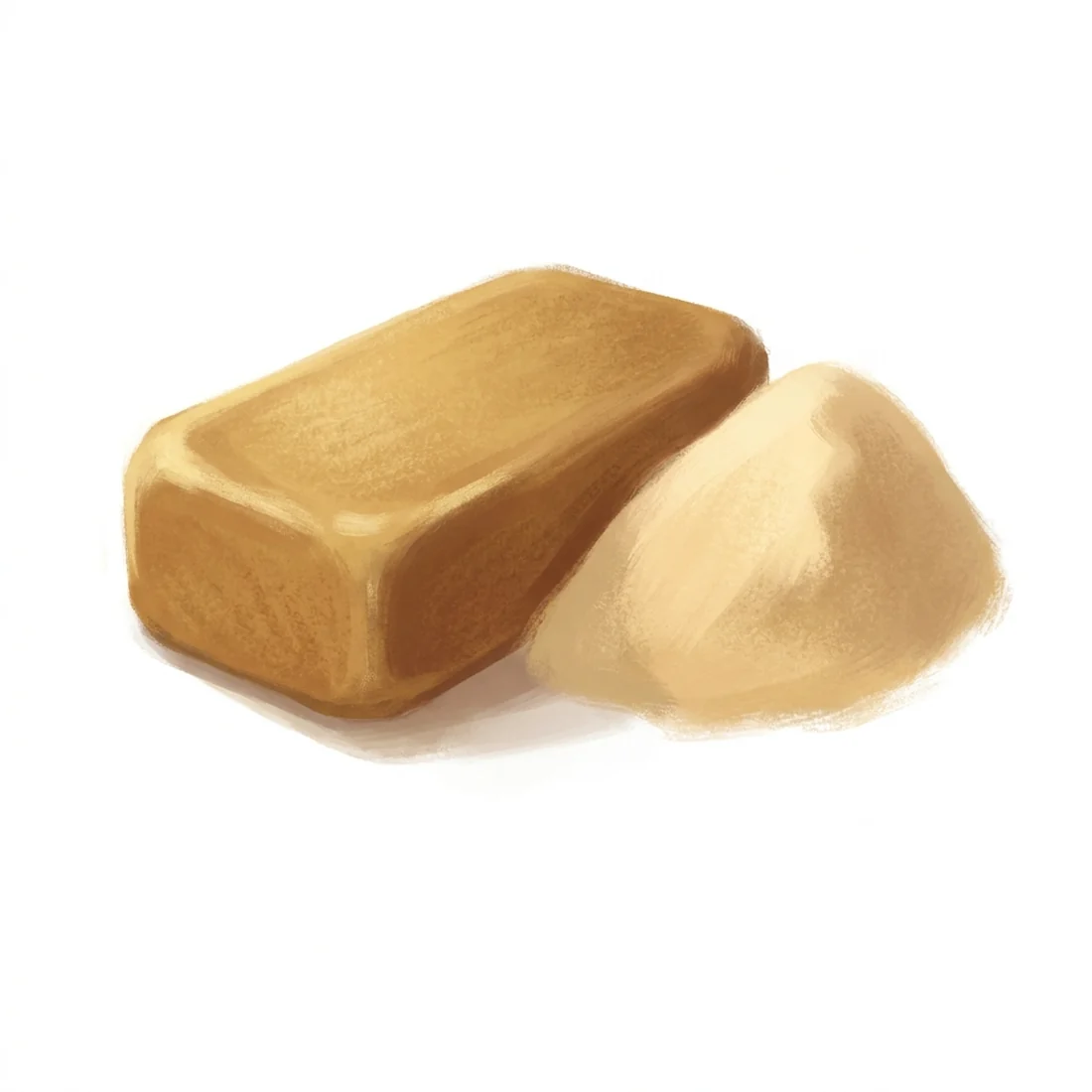
Hashish is simply the plant’s resin glands — the trichomes that hold the cannabinoids and terpenes — separated mechanically from the leaf and then gently pressed together. It uses no solvents, no acid and no fire, just sieving, cold and patience, which is why it’s the one processing chapter on this shelf taught start to finish. The one thing that makes it work is working cold: chilled resin heads are brittle and snap off cleanly, while green plant matter holds together instead of falling into your catch.
First hash I ever made, I went straight for heat and pressure. I’d seen a block of it, and a block looks pressed, so I pressed. What I got was a dark little tile that smelled mostly of my own enthusiasm. I’d cooked it before I’d understood the one thing that matters here: all hashish is, is the plant’s resin glands separated from the leaf — and then gently persuaded to stick together. Separate first. Press later, lightly, if at all. I had the order backwards and the heat about three notches too high.
After the bare-bones home method rather than the theory? The three-minute versions live on the blog: how to make kief and dry sift and how to make bubble hash. This chapter is the why behind both.
What hashish actually is
Seb
A cannabis flower grows thousands of tiny resin heads — trichomes — on stalks across the bud and the sugar leaf. Those heads hold the cannabinoids and the terpenes. They’re brittle when cold and barely attached at the best of times. Hashmaking is mechanical, start to finish: knock the heads off, collect them away from the leaf, and you’ve got a concentrate without a single solvent or reaction. No vapour, no acid, no fire risk — just sieving and patience. That’s why it’s the one processing chapter on this shelf taught all the way through.
The three honest routes
Dry sift — the simplest. Cold, dry, well-cured flower, broken gently over a fine screen. The brittle resin heads snap off and fall through; the leaf is too big and stays behind. What collects underneath is kief — loose resin. Work cold and work gently: the lighter your hand, the more you get heads and the less you get ground-up leaf falling through with them.
Ice-water (bubble) hash. Resin heads are heavier than water and most of the rest of the plant isn’t. Agitate flower in ice-cold water, the chilled heads snap off and sink, and you pour the slurry through a stack of progressively finer mesh bags. The resin collects in the fine ones while the leaf stays up top. Cold is the whole game — brittle heads, and green matter that holds together instead of breaking up into your catch.
Hand-rubbing (charas). The old way. Fresh, sticky flowers rolled between clean hands until the resin builds up on your skin, then scraped off and rolled into a ball. Low-tech, low-yield, asks for nothing but your hands and an afternoon you won’t get back. There’s a romance to it. There isn’t much hash.
Drying — the step people skip and regret
Seb
Fresh-collected wet hash — bubble especially — is mostly water, and it will go mouldy if you press or jar it damp. Spread it out, break it up, and let it dry fully before pressing or storing. Mould on a concentrate isn’t a “scrape the bad bit off” situation — it’s a bin-the-lot situation. Dry it properly and it keeps for a long time.
Pressing — gentle, and last
Pressing isn’t a separate magic step. It just turns loose resin into a handier block by warming it enough that the heads bind. Slight warmth and firm hand pressure are plenty. My first-go mistake — high heat, hard press — flattens the terpenes and dulls everything. If in doubt, press less. Loose kief that smells alive beats a hard tile that smells of nothing, every time. (If what you’re actually after is squeezing the oil out with a warm press, that’s rosin — its own craft, taught on the blog.)
Watch out for
- Heat is the enemy of flavour. Everything here works better cold. The only warmth is a touch at the very end, for pressing.
- Damp storage means mould. Dry fully first. Always.
- Over-sifting drags leaf through. If your kief is going green, you’re working it too hard — back off.
Check yourself
- What, physically, is hashish? (Separated cannabis resin heads — trichomes — collected away from the leaf.)
- Why is cold so important across all three methods? (It keeps the resin heads brittle so they snap off cleanly, and stops green plant matter breaking up into the catch.)
- Why must wet hash be dried before pressing or storage? (Damp hash grows mould, and mould ruins the whole batch.)
- What does over-pressing with heat cost you? (Flavour and aroma — heat flattens the terpenes and leaves you a dull tile.)
Common questions
What is hashish, exactly?
Hashish is the plant's resin glands — the trichomes that hold the cannabinoids and terpenes — separated mechanically from the leaf and gently pressed together. No solvents, no acid, no fire: just sieving, cold and patience.
Why does hash-making have to be done cold?
Cold keeps the resin heads brittle so they snap off cleanly, while chilled green plant matter holds together instead of crumbling into your catch. Warm, everything smears and you collect leaf instead of resin.
Do I need to dry hash before pressing or storing it?
Yes, fully — fresh-collected hash, bubble especially, is mostly water and will go mouldy pressed or jarred damp. Mould on a concentrate means binning the lot, so spread it out, break it up and let it dry completely first.
Why does pressing hash with high heat ruin it?
Heat flattens the terpenes — you trade a fragrant, lively resin for a hard tile that smells of nothing. Slight warmth and firm hand pressure are plenty; if in doubt, press less.
