Nutrient Deficiency: Read the Plant Before You Reach for the Bottle
By DIG Dave ·
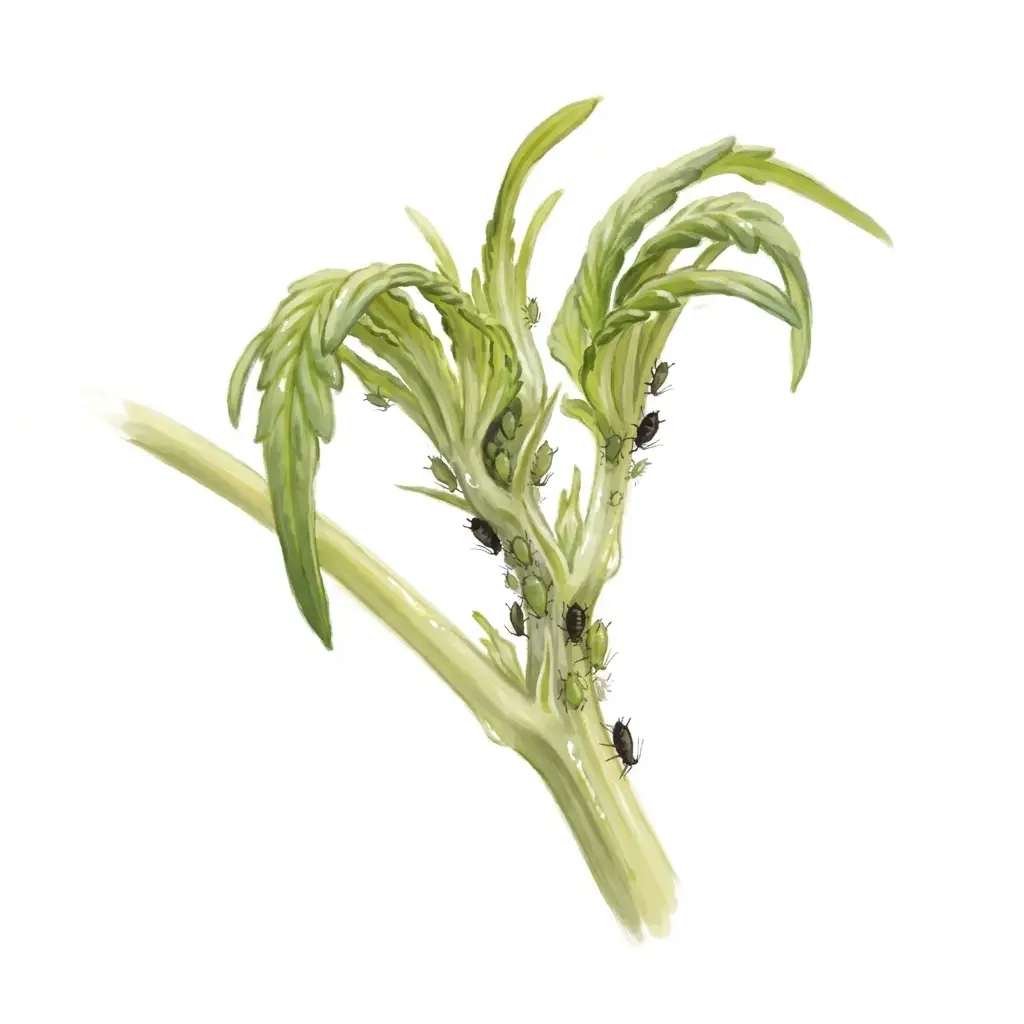
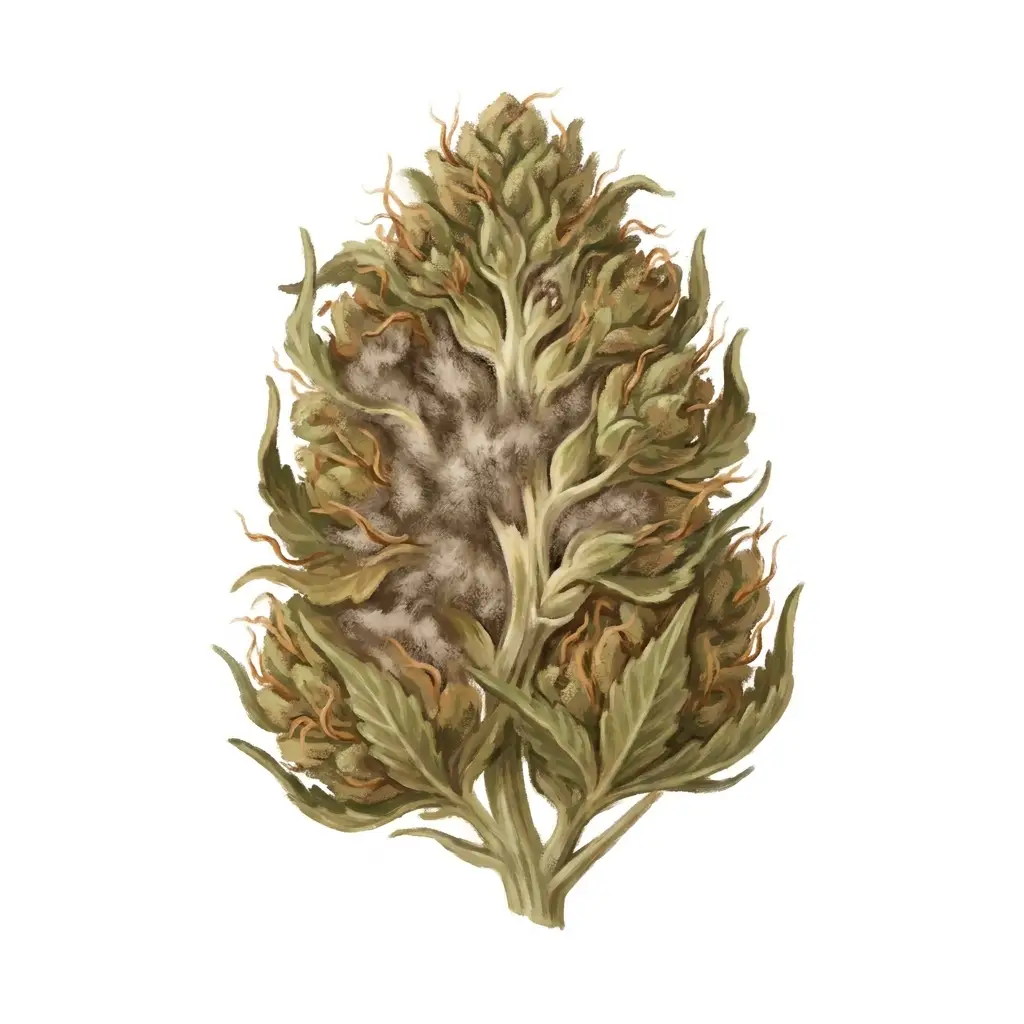
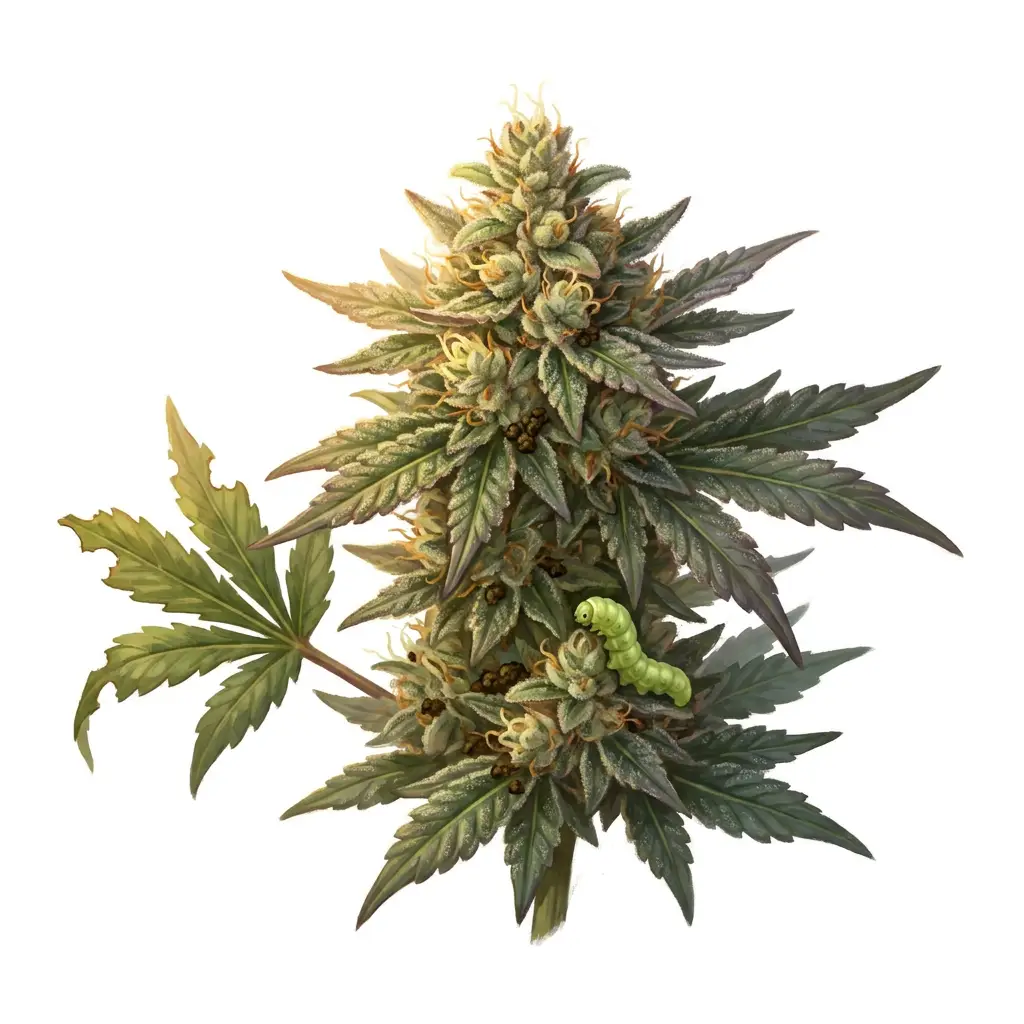
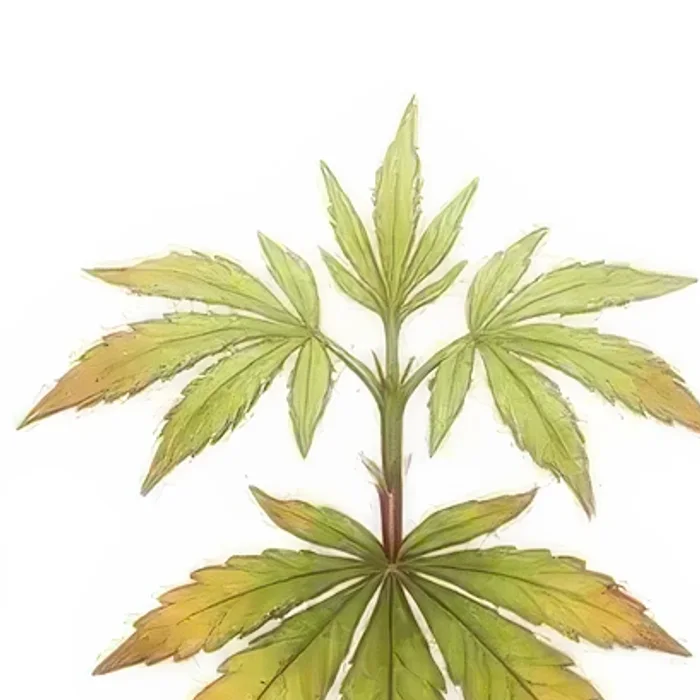
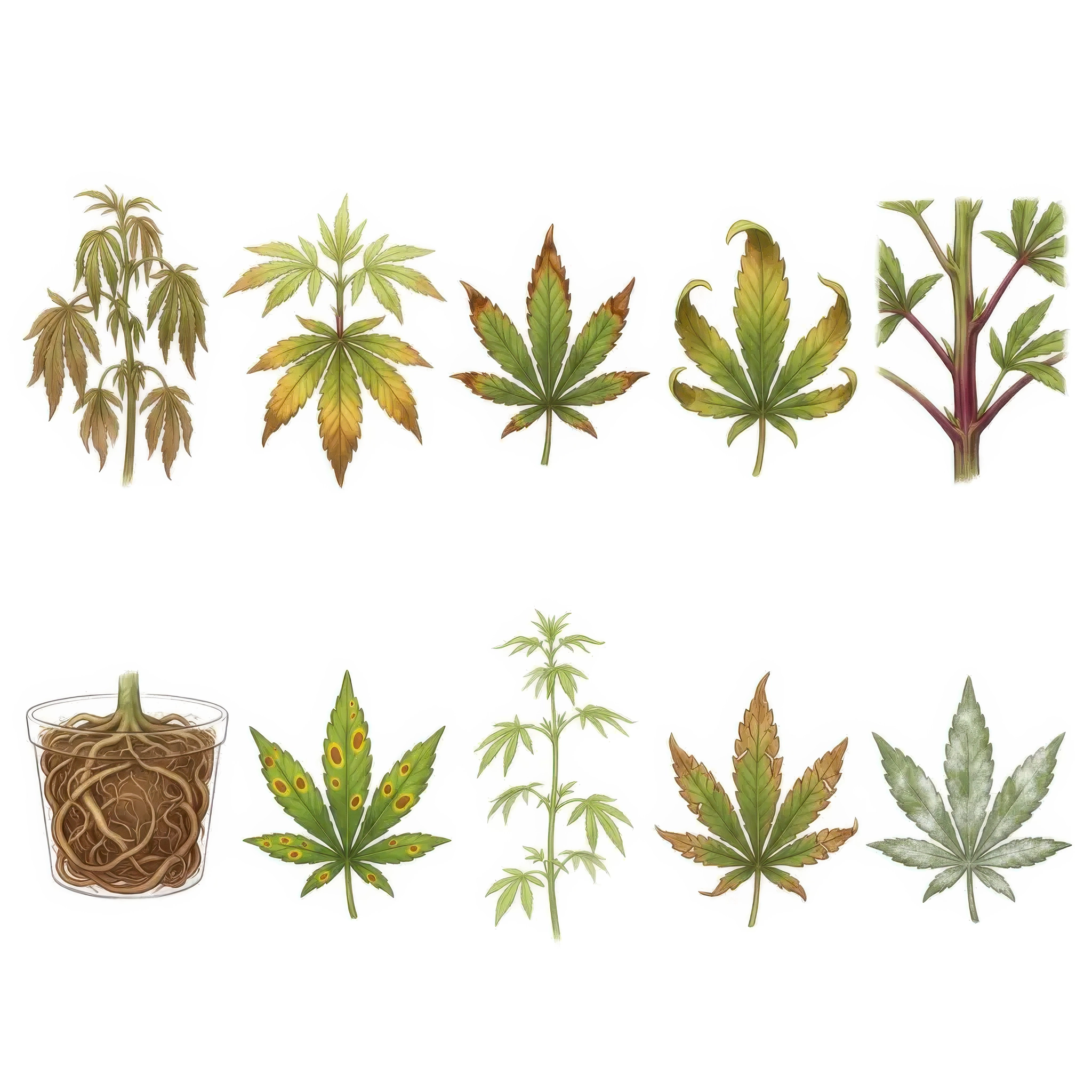 Ten symptoms in one grid. Find yours, then follow it to the right single-nutrient guide.
The Pharmacist has a product for every symptom. Canoe leaves? Must be calcium — adds CalMag. Yellowing bottom leaves? Nitrogen — adds more feed. Bleached tops? Iron — adds a micronutrient. The shelf looks like a chemist’s stockroom and the plants still look rough, because not one of those diagnoses was correct. Here’s the thing nobody tells beginners: a deficiency is the last thing you should suspect, not the first. Half the “deficiencies” people chase are environment, water or pH wearing a costume. This guide is the map — where to look on the plant, in what order, and which single-nutrient guide to open once you’ve actually narrowed it down.
The short version:
- Ask first: where on the plant is it — bottom and old growth, or top and new growth?
- Bottom-up yellowing means a mobile nutrient (N, P, K, Mg); top-down means an immobile one (Ca, Fe)
- Work the order — environment, water, pH, then nutrients — most “deficiencies” never reach step four
- Once you’ve narrowed it, jump to the single-nutrient guide below for the exact fix
Want the full breakdown? Keep scrolling.
Where on the plant is the yellowing — bottom or top?
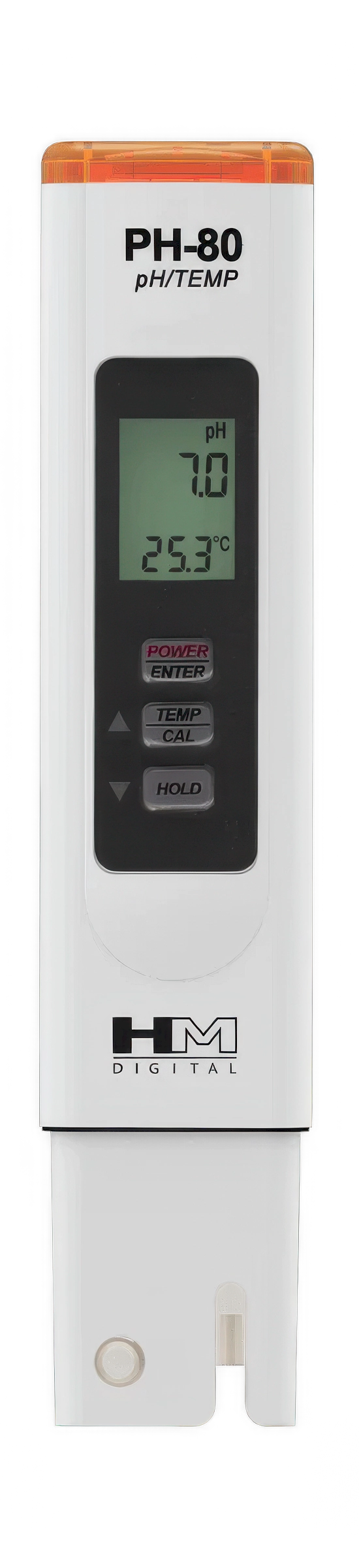 Before you feed anything: check pH. A locked-out plant looks exactly like a hungry one.
This is the single most useful question you can ask, and it splits the whole problem in two. Cannabis can shift some nutrients around inside herself and not others, and that decides where the damage shows.
If the yellowing starts at the bottom and climbs upward, you’re looking at a mobile nutrient — nitrogen, phosphorus, potassium, magnesium. The plant can move these around, so when she’s short, she strips them from the oldest leaves and ships them up to the new growth. The old leaves suffer so the young ones eat. Bottom-up fading is the mobile signature. That’s nitrogen yellowing the whole lower leaf evenly, magnesium yellowing between the veins down low, potassium burning the lower leaf edges, phosphorus throwing dark or purple tones into older growth.
If the trouble is at the top — new growth twisted, pale, stunted or bleached — you’re looking at an immobile nutrient like calcium or iron. She can’t redistribute these, so the newest growth shows the damage first. Top-down problems are rarer but scarier to a beginner, because new growth is meant to be the healthiest part of the plant. When it isn’t, people panic. Iron pales the new growth between the veins; calcium twists and spots it.
Why does my plant look hungry when I’m feeding it?
Because most “deficiencies” aren’t deficiencies at all — and feeding into one makes it worse. Before you blame a nutrient, you walk the order of diagnosis, the one worth tattooing on your arm: environment first, water second, pH third, nutrients last.
- Environment. A tent too hot, too cold, too damp or too dry throws symptoms that mimic hunger. Cold stress purples the stems. Read the gauge before the bottle — environmental monitoring is step zero.
- Water. Overwatering and underwatering both droop and fade a plant. A drowned or parched root can’t feed her no matter what’s in the pot. Lift the pot before you mix anything.
- pH. This is the big one. The wrong root-zone pH locks nutrients out so a well-fed plant starves and shows fake deficiencies — and feeding more makes it worse. pH lockout is behind a huge share of phantom hunger. Get a pen and check before you diagnose any single nutrient.
- Nutrients, last. If environment, water and pH are all clean — then, and only then, is it genuinely a feeding problem. Nine times out of ten you won’t get this far, because the cause was simpler than you feared.
One honest exception worth naming: if she’s on plain water or a houseplant feed, she will go hungry, because those carry the wrong ratios and miss pieces she needs. Switch to a proper base cannabis nutrient made for your medium — Grow for veg, Bloom for flower — and start at half strength. DIG stock the CANNA lines by medium. Get the base right before anything fancy.
Which nutrient is it, and where do I go next?
Once you’ve cleared environment, water and pH and confirmed it’s genuinely a deficiency, narrow it by where it shows and jump to the guide for that one. Don’t add everything at once — that’s how you tip a hungry plant into nutrient burn.
- Whole lower leaves yellowing evenly, bottom-up: nitrogen hunger, or the opposite — too much nitrogen is nitrogen toxicity, dark clawing leaves.
- Yellowing between the veins on lower leaves: magnesium deficiency.
- Burnt or yellow edges on lower leaves, spots: potassium deficiency.
- Dark, dull or purple older growth, slow: phosphorus deficiency.
- Pale new growth between the veins, top of the plant: iron deficiency.
- Twisted, spotted new growth, common in coco: cal-mag deficiency.
- Crispy or burnt tips on the newest strong leaves: that’s overfeeding, not hunger — nutrient burn.
When you do feed a real deficiency, go to label strength and build up, never down from a megadose. And check pH one more time first — locked-out nitrogen looks identical to a shortage, and you’d be amazed how often the bottle wasn’t the answer. For the full troubleshooting flowchart across every common symptom, the plant problems guide ties it all together.
Not sure this is your problem? Run her through the Diagnosis Buddy — five questions and you’ll know.
Common questions
How do I know if it's a deficiency or pH lockout?
A clean, single deficiency creeping up the plant can be real hunger. Several symptoms at once, getting worse the more you feed, is the lockout signature — the food's there but the wrong pH won't let the roots take it up. Check pH before you diagnose any single nutrient; nine times out of ten the food was never the problem.
Why does it matter whether the yellowing starts at the top or bottom?
Because it tells you which family of nutrient you're dealing with. Bottom-up fading means a mobile nutrient she's stripping from old leaves to feed new growth — nitrogen, magnesium, potassium, phosphorus. Top-down damage means an immobile one she can't move, like calcium or iron. That single observation halves the search.
Can I just add a bit of everything to be safe?
No — that's the fastest way to make things worse. Piling on nutrients into a problem that was really pH or environment tips a struggling plant into nutrient burn, and feeding a locked-out plant just builds up unused salts. Diagnose first, fix the one thing, then watch the new growth.
Will the damaged leaves recover once I fix it?
The leaves already yellowed or damaged won't fully green back up — that tissue is spent. You judge the fix on the new growth coming in healthy. If fresh growth looks right within a week or so of the correction, you've found it; if it doesn't, work back up the diagnostic order.
Fixed it?
Here’s how this stage goes when it’s going right — walk the grow →. Still not sure what you’re looking at? Ask the Diagnosis Buddy →