pH Lockout: The One That Fools Everyone
By DIG Dave ·
 pH lockout: looks like several deficiencies at once because the plant can’t feed.
The Locksmith did everything right. Textbook feed schedule, premium nutrients measured to the millilitre, perfect ratios. His plant showed magnesium deficiency, so he added magnesium. It got worse. Then it looked like calcium deficiency too, so he added CalMag. Worse again. He was feeding a balanced diet and watching the plant starve in front of him. He never checked pH. Not once. The one that fools everyone: wrong pH locks nutrients out, so a well-fed plant starves and shows deficiencies that aren’t real. Fix this before you add a single thing.
The short version:
- Several “deficiencies” at once, getting worse the more you feed — that’s the tell
- Wrong root-zone pH locks nutrients out, so a fed plant can’t absorb what’s there
- Get a pH pen: aim ~6.0-7.0 in soil, ~5.5-6.5 in coco or hydro, in and out
- Correct the pH and the colour usually comes back on its own — fix this first
Want the full breakdown? Keep scrolling.
Why does my plant look hungry when I’m feeding it?
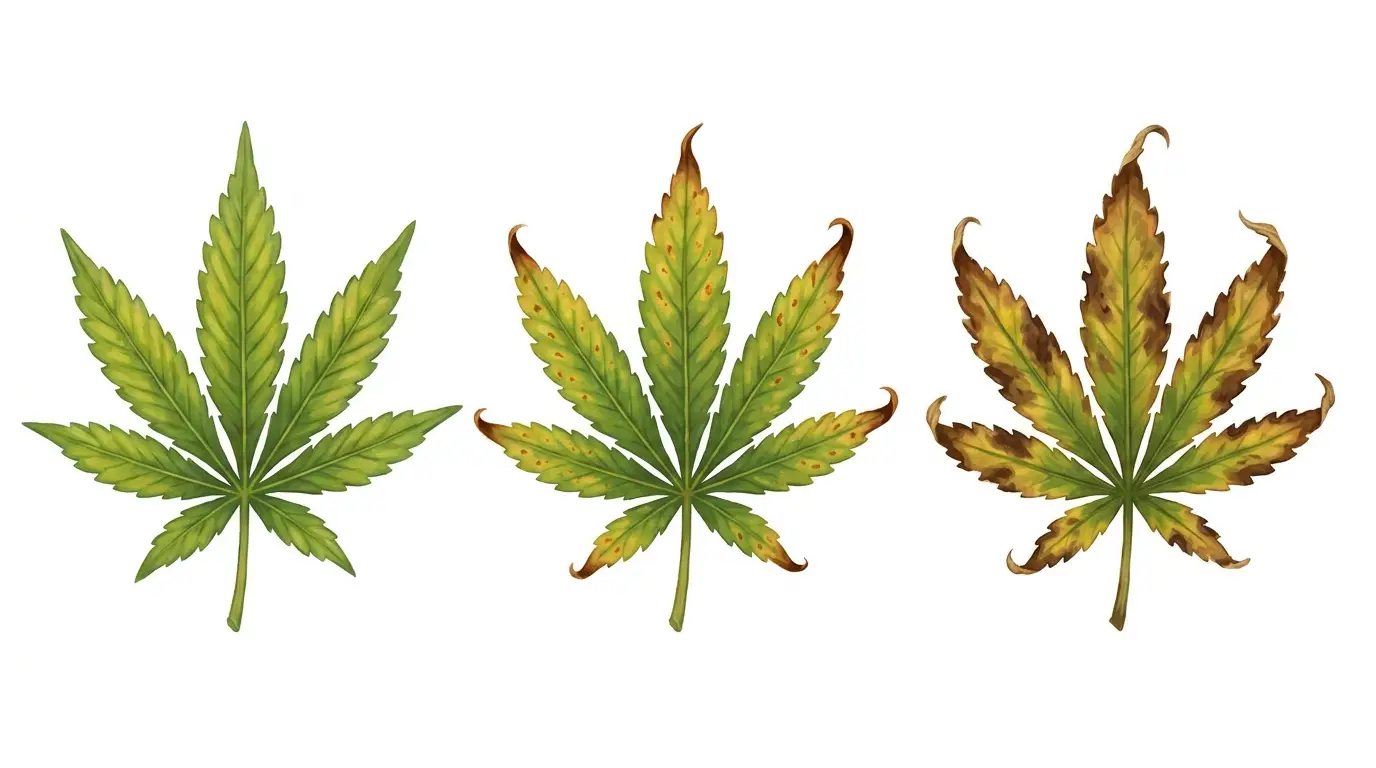 It worsens like a deficiency, but the food’s already there. The door’s shut.
Because most nutrient problems aren’t nutrient problems. They’re pH problems wearing a nutrient costume. The food is there — you paid for it, you mixed it, it’s in the soil or the solution. But the roots can’t get at it, because the pH of the root zone is wrong and the front door is locked. pH is the key.
Every nutrient has a pH range where the plant can actually take it up. Drift outside that range and the nutrient binds to other elements and goes chemically unavailable — it exists, but the roots can’t touch it. That’s lockout. And here’s the cruel part: feed more of the locked-out nutrient and it just piles up unused, often locking out something else in turn. So the harder you feed, the worse it looks. The Locksmith’s spiral wasn’t bad luck. It was a man bailing water into a boat with the plug pulled.
How do I know if it’s pH lockout or a real deficiency?
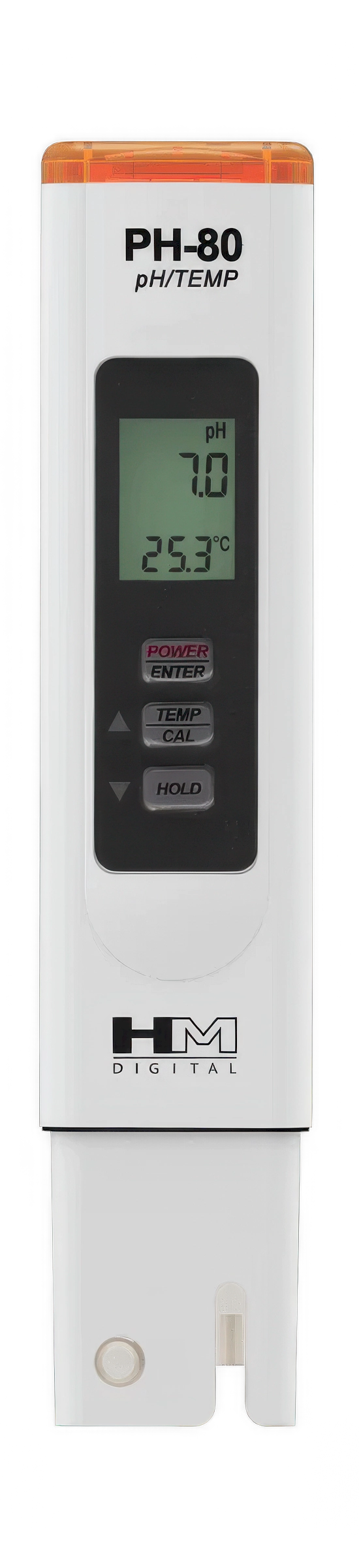 Fixing it starts with a number: check the pH going in and the runoff coming out.
The pattern gives it away. A single, clean deficiency creeping up the plant could be genuine hunger. Several deficiency symptoms turning up at once — yellowing between the veins here, brown spots there, all spreading while you’re feeding a full, balanced diet — that’s the lockout signature. Real hunger gets better when you feed. Lockout gets worse.
The honest move is to stop guessing and check. Run some plain water through the pot, catch the runoff, and read its pH. Compare it to what’s going in. If your input is 6.5 and your runoff is coming out at 5.2, the root zone is far more acidic than it should be and that’s your lockout. This sits at level three of the diagnostic order — environment, water, pH, nutrients — and most growers never get there because they jump straight to the nutrient bottle. Don’t be most growers. Before you diagnose any magnesium deficiency, iron deficiency, or cal-mag deficiency, check pH first. Nine times out of ten the food was never the problem.
How do I fix pH lockout?
Get a pen and get in range. That’s the whole job.
- Get a pH pen. A proper one — DIG stock the reliable ones, and they last. Calibrate it monthly with the buffer solutions or it’ll start lying to you. Test the water going in after you’ve added nutrients, and test the runoff coming out.
- Aim for the right range for your medium. Soil: pH 6.0-7.0, sweet spot 6.2-6.8. Coco and hydro run lower: 5.5-6.5, sweet spot 5.8-6.2. Different medium, different chemistry.
- Adjust gently. pH up and pH down — CANNA’s pH down does the job — a few drops at a time, stir, test again. You’re not chasing a precise number, you’re staying in the band. A gentle drift between 6.2 and 6.8 in soil is grand; different nutrients are most available at different points, so everything gets its turn.
- Then wait, don’t feed. Correct the pH and leave the nutrients alone. More often than not the “deficiency” corrects itself over the next week or so, because the food was always there — it just couldn’t get in.
If the root zone has been getting saltier for weeks from constant feeding, the lockout can sit on top of a salt buildup, and then you flush with plain pH’d water until the runoff settles before resuming at reduced strength. That’s the chronic version of the same trap — and it’s why a clean nutrient burn and a pH lockout sometimes show up in the same struggling plant. Same lesson: check the pen before the bottle.
Not sure this is your problem? Run her through the Diagnosis Buddy — five questions and you’ll know.
How to fix it
- Get a pH pen Use a proper pH pen, calibrated monthly, and test both the water going in and the runoff coming out.
- Aim for your medium's range Target pH 6.0-7.0 in soil (sweet spot 6.2-6.8), or 5.5-6.5 in coco and hydro (sweet spot 5.8-6.2).
- Adjust gently Add pH up or down a few drops at a time, stir, and test again until you're sitting inside the band.
- Then wait, don't feed Once the pH is corrected, leave the nutrients alone — the deficiency usually clears within a week because the food was always there.
Common questions
What pH should my cannabis plant be?
In soil, aim for 6.0-7.0, ideally 6.2-6.8. In coco or hydro, go lower: 5.5-6.5, sweet spot around 5.8-6.2. Test both your input water after nutrients and the runoff that comes out, and keep the root zone inside that band.
Why are my deficiencies getting worse when I add more nutrients?
That's the classic sign of pH lockout. The nutrients are present but the wrong pH stops the roots absorbing them, so adding more just builds up unused and can lock out other elements too. Fix the pH first, then wait before adding anything.
Do I really need a pH pen?
Yes. It's the one tool that separates growers who chase phantom deficiencies from growers who fix the real cause. You can't manage what you can't measure, and pH is invisible. A reliable pen pays for itself the first time it saves you from feeding a problem that was never about food.
How long until colour comes back after I fix the pH?
Usually within a week or so, once the root zone is back in range and the locked-out nutrients become available again. The damaged old leaves won't fully recover, but new growth should come in healthy. If nothing improves after correcting pH, then look at a genuine deficiency.
Fixed it?
Here’s how this stage goes when it’s going right — walk the grow →. Still not sure what you’re looking at? Ask the Diagnosis Buddy →