Why Did My Whole Crop Fail? Common First-Grow Mistakes
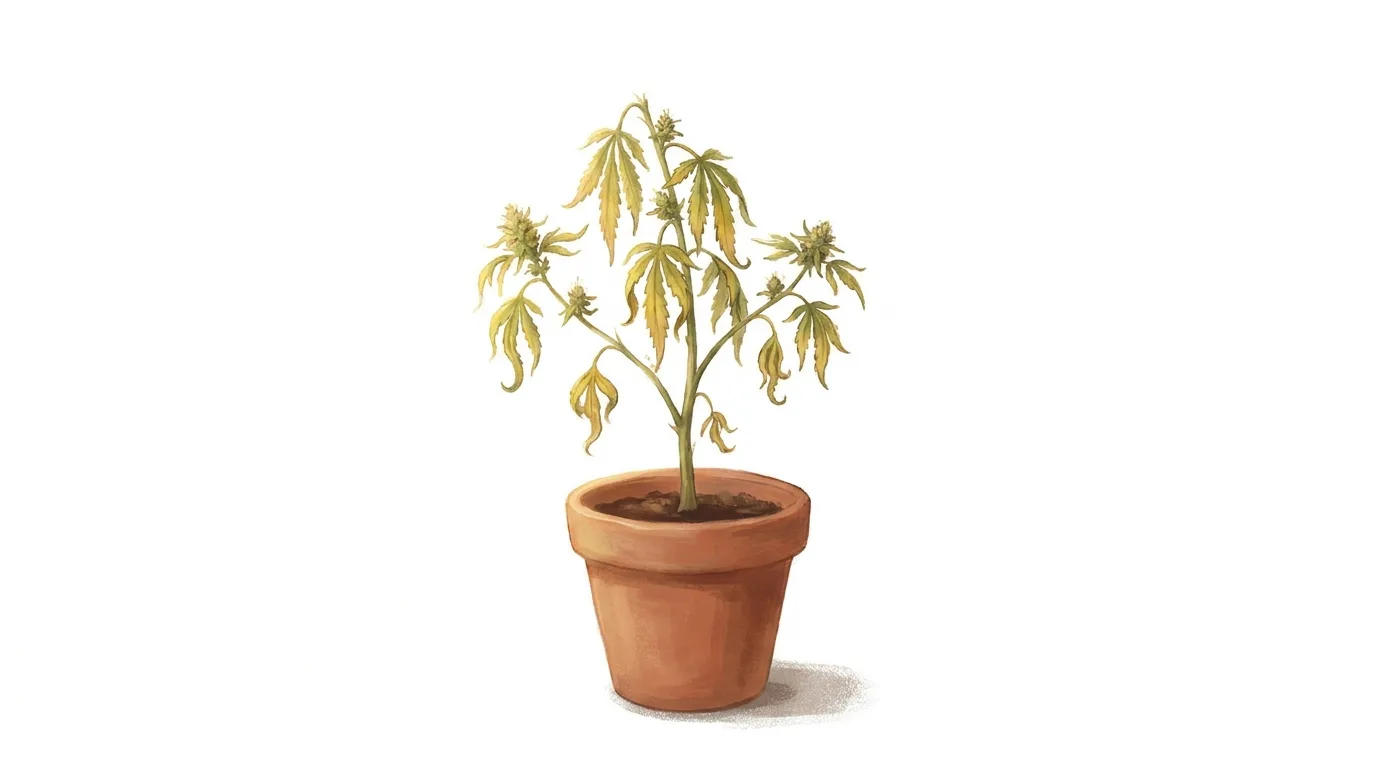
Most failed grows die from a short list of avoidable mistakes, not bad seeds: overwatering (the number-one killer — water by pot weight, not a schedule), overfeeding into lockout, light leaks in flower that cause hermies and seeds, bud rot in humid still air late in flower, and harvesting too early or rushing the dry. Nearly every one is the same impulse — doing more or moving faster when the plant was asking for less and slower.
If a whole grow went wrong, it’s tempting to blame the seeds, the strain, or bad luck. Almost always, though, it’s one or two items off a familiar list — and the good news is that every one of them is preventable next time. Here are the big crop-killers and how to dodge them.
The short version:
- Overwatering — the number-one killer; water by pot weight, not a schedule
- Overfeeding — burnt tips and lockout; start gentle, the bottle dose is a ceiling
- Light leaks in flower — stress, hermies and seeds; the dark period must be dark
- Bud rot — humidity and still air late in flower; keep it under 50% with airflow
- Harvesting too early or rushing the dry — months of work undone at the finish
Want the full breakdown? Keep scrolling.
The growing-stage killers
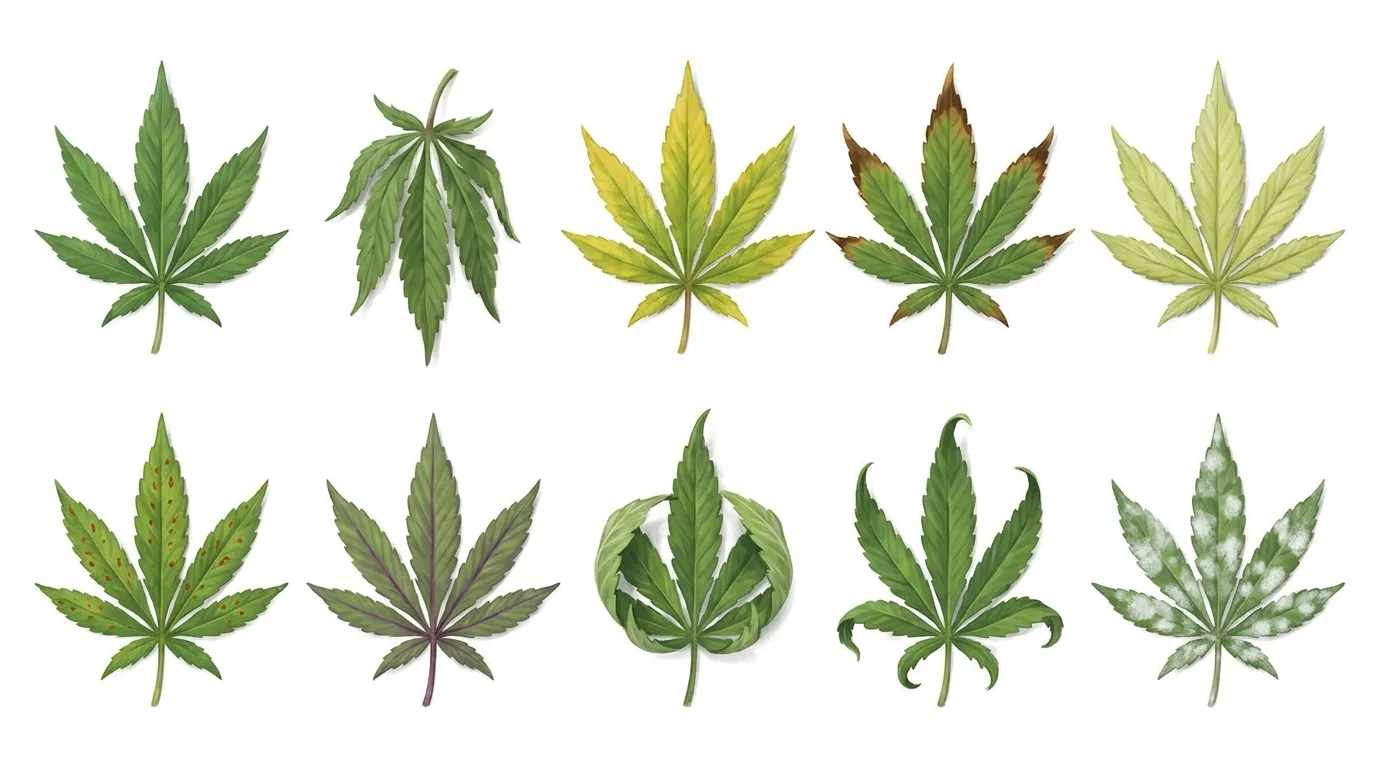
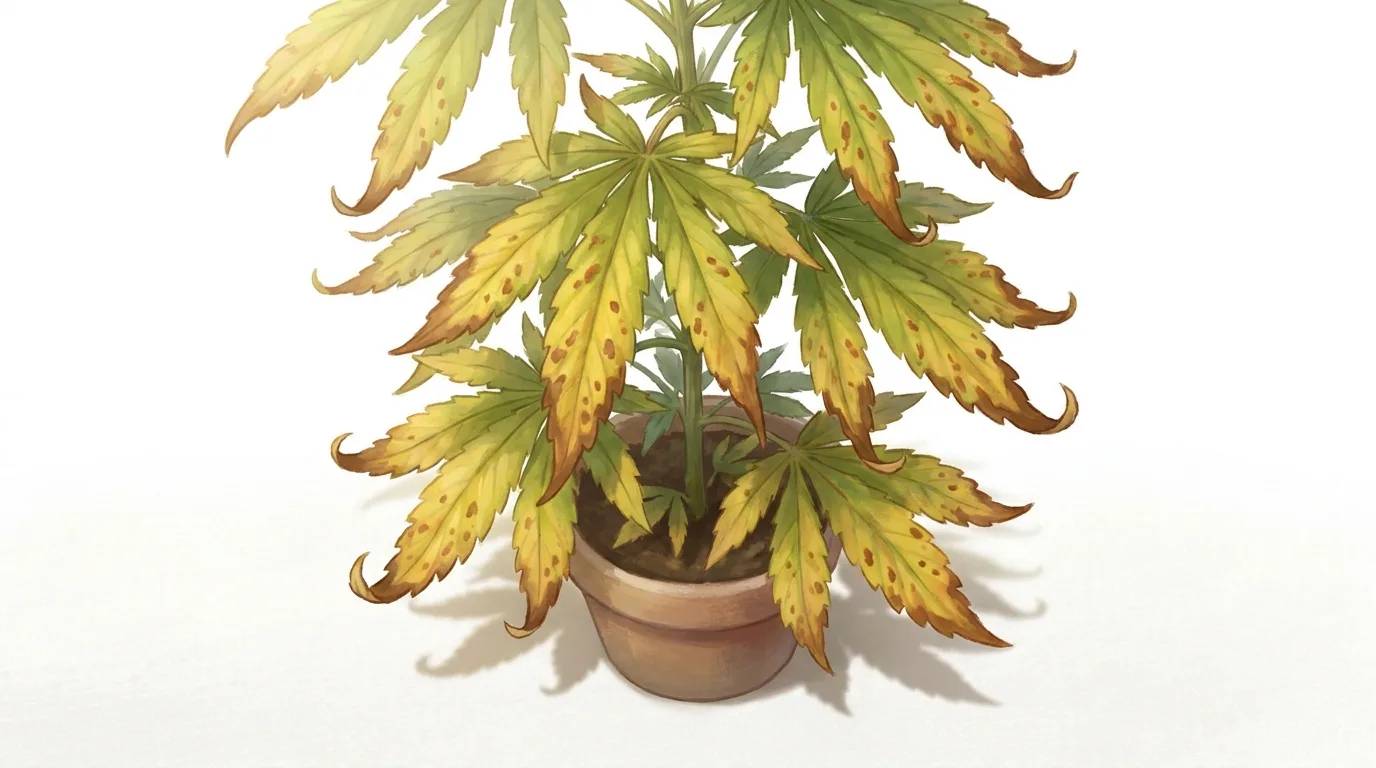
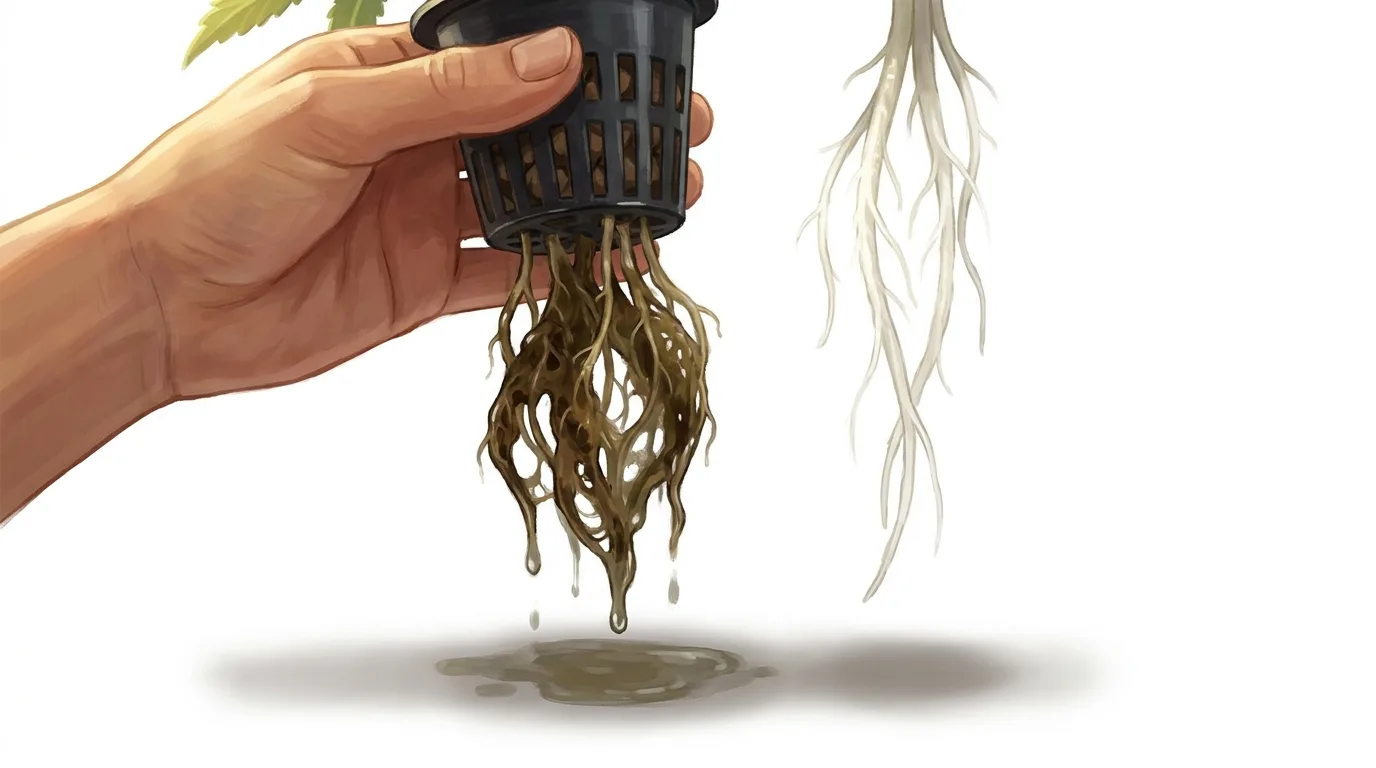
Overwatering is the most common reason first grows fail. It’s not about volume, it’s about frequency — water too often and the roots can’t breathe, they rot, and a drowning plant looks exactly like a thirsty one, so the panicked grower waters again. Fix: water by pot weight (lift it — heavy means wait), to 10–20% runoff, then let it dry back. Overfeeding is next — jumping to the bottle’s full dose burns tips and stacks salts into lockout. Start at quarter-to-half strength and build slowly; the recommended dose is a maximum. And most “deficiencies” that spiral into failure are really pH lockout — the nutrients are there but the root zone is out of range — so a pH pen (DIG stock them) and the habit of checking pH before feeding prevents a whole category of disasters.
The flowering-stage killers
Light leaks wreck more flowering grows than people realise. A photoperiod plant needs a genuinely dark 12-hour night; a sliver from a cracked zip, a standby LED, or a gap in the ducting can stress it into reverting or — worse — turning hermaphrodite and seeding the whole crop. Get in the tent during the dark period, shut it, and tape up anything you can see. Bud rot (botrytis) is the late-flower heartbreaker: it starts inside dense colas where it’s warm, humid and still, and by the time it shows outside the core is gone. Prevent it by holding humidity under 50% (40% in the last weeks), keeping air moving, and running a dehumidifier in damp climates. These two — light discipline and humidity control — save the grows that die in the home straight.
The finish-line killers
You can do everything right for months and lose it in the last ten days. Harvesting too early — chopping on the seed bank’s calendar instead of the trichomes — gives thin, racy bud; read the trichomes under a loupe (cloudy with a little amber) and remember flowering times run long. Rushing the dry — hanging buds in a hot tent with the extraction on full — traps chlorophyll and gives you hay; dry slow, 18–20°C, 10–14 days. Skipping the cure leaves bud harsh and grassy when weeks in jars would have made it smooth. Nearly every crop failure, start to finish, is the same impulse: doing more, or moving faster, when the plant was asking for less and slower. Slow down at each stage and most of this list never touches you.
Common questions
What's the most common reason a cannabis grow fails?
Overwatering. Watering too often suffocates and rots the roots, and because it mimics thirst, beginners water more and make it worse. Water by pot weight, not a schedule.
Can a light leak ruin my whole crop?
Yes. Interrupted darkness in flower can stress a photoperiod plant into reverting or turning hermaphrodite, which seeds the buds. The 12-hour dark period must be genuinely dark.
My buds looked grand but smoke harsh — what happened?
Usually harvesting too early, drying too fast, or skipping the cure. Quality is finalised in the last ten days: harvest by trichomes, dry slow over 10–14 days, and cure in jars for weeks.