How Feminised Seeds Are Made
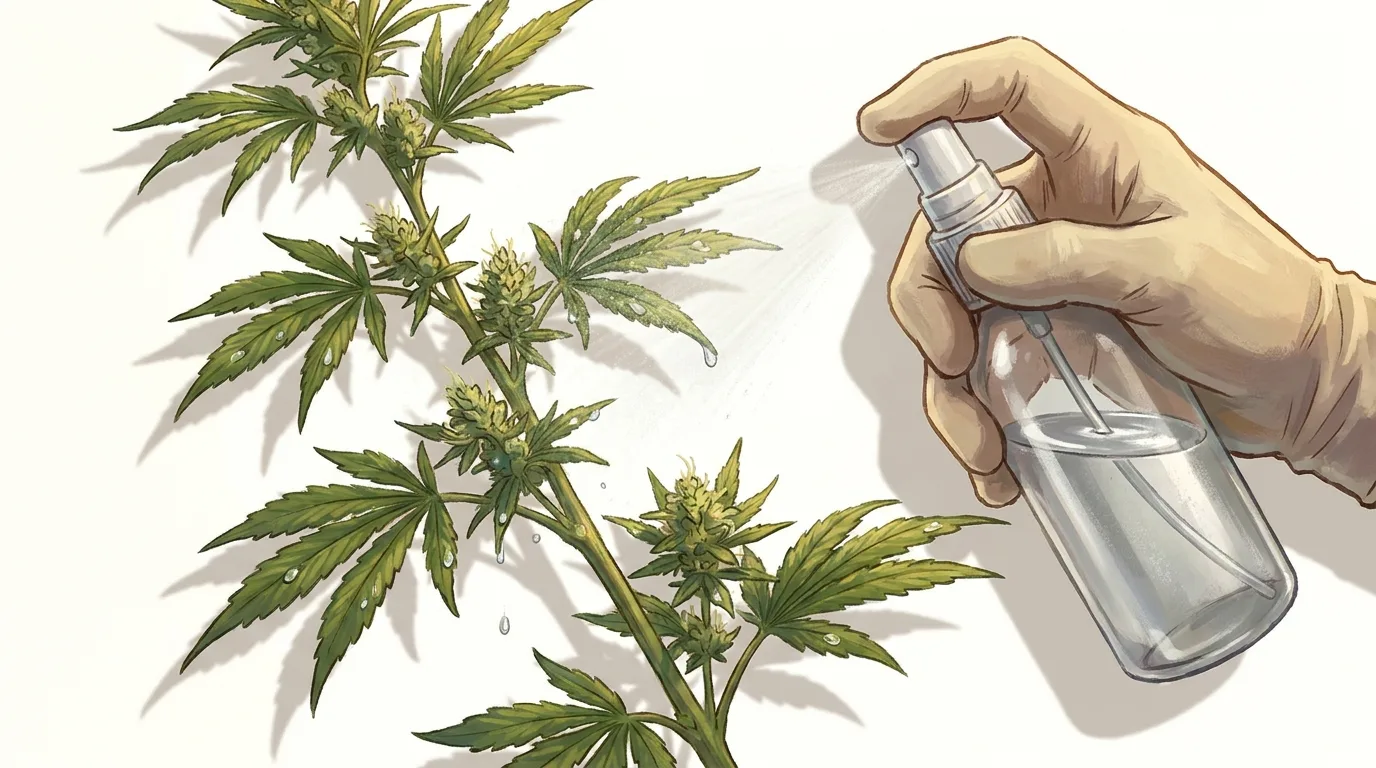
Feminised seeds are made by chemically reversing a female cannabis plant so it produces pollen, then using that pollen on another female — with no male chromosome involved, the offspring (called S1s) are all female. Two methods do the reversal: colloidal silver, sprayed daily at 30–50 ppm from about two weeks before the flip, and silver thiosulphate (STS), which is more reliable and the breeder’s preference. Any sprayed tissue must never be consumed, and quality depends on starting with a mother that never hermies — which is why source matters.
You’ve probably grown feminised seeds without thinking about how they guarantee all-female plants. The method is clever and a little strange — and understanding it tells you why the source of your feminised seeds matters so much for avoiding hermaphrodites.
The short version:
- Feminised seeds come from pollinating one female with pollen from another female
- A female is “reversed” — chemically forced to grow pollen sacs
- Two methods: colloidal silver (CS) and silver thiosulphate (STS); STS is more reliable
- Both parents being female means no male chromosome, so all-female offspring (S1s)
- Quality depends on starting with females that don’t hermie — buy from good breeders
Want the full breakdown? Keep scrolling.
What’s the principle?
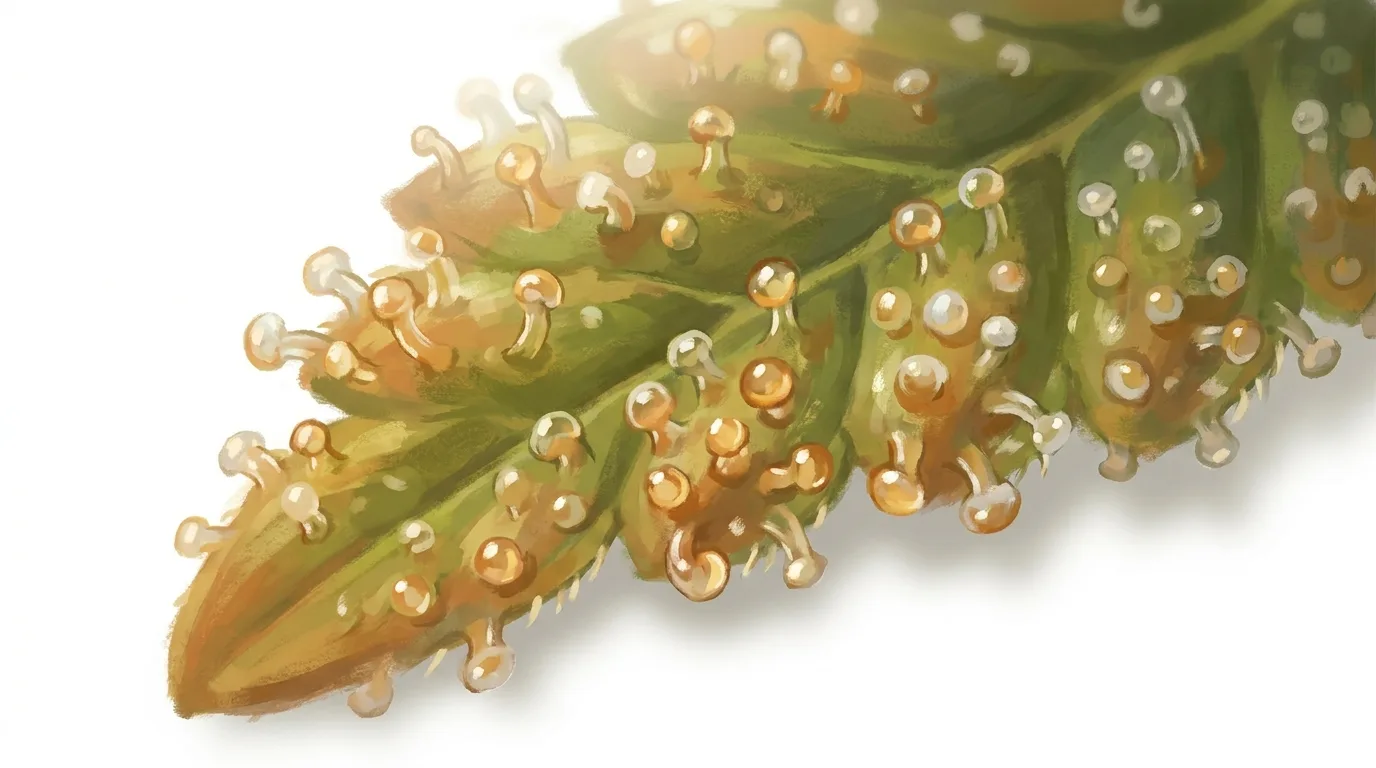
It sounds backwards: you make a female plant produce male pollen, then use that pollen to fertilise another female. Because both parents are genetically female (no Y chromosome anywhere in the cross), the offspring can only be female. The resulting seeds are called S1s — the first generation of self/sib pollination — and they’re feminised. The reason it works is hormonal: a female makes female flowers because of an ethylene signal, and the reversal sprays block that signal on the treated tissue, so the sprayed branch grows pollen sacs while the rest of the plant flowers normally as a female.
What are the two reversal methods?
Colloidal silver (CS) — silver particles suspended in distilled water, sprayed daily on one branch from about two weeks before the flip through the first three to four weeks of flower. You need 30–50 ppm of silver: too low and the reversal is incomplete (a confused branch of mixed sacs and pistils, poor pollen), too high and you damage tissue. The Chemist who makes it with a battery charger and two silver coins, with no way to measure ppm, gets inconsistent reversal and a higher hermaphrodite rate in the seeds. STS (silver thiosulphate) — made from silver nitrate and sodium thiosulphate, sprayed two or three times around the flip; more reliable and the breeder’s preference, but it has a short shelf life once mixed, stains permanently, and any sprayed tissue must never be consumed. Pre-mixed products (like Tiresias Mist) simplify both. There’s also rodelization — letting an over-ripe female throw a few late pollen sacs naturally — which works in a pinch but is unreliable and arguably selects for hermie-prone genetics.
Why does the source of feminised seeds matter?
Because feminised genetics can still carry a hermaphrodite predisposition if the reversed mother had one. S1s from a single parent express a narrower range of traits, but recessive ones — including a genetic (not just stress-induced) tendency toward intersex flowers — can still surface, and they’ll show up at a higher rate if the mother carried that tendency. Reliable feminised seeds start with females that show zero intersex tendency even under stress, which is exactly the selection step a cowboy operation skips. That’s the practical takeaway: feminised seeds are brilliant and they work the vast majority of the time, but the quality is only as good as the breeder’s reversal stock — so buy from a reputable source (CSB carry properly made feminised lines) rather than the cheapest pack online.
Common questions
How are feminised cannabis seeds made?
By chemically reversing a female plant so it produces pollen, then using that pollen on another female. With no male chromosome involved, the offspring are all female.
What is colloidal silver used for in breeding?
It blocks the hormone signal that makes a female grow female flowers, forcing a sprayed branch to produce pollen instead — used to create feminised seeds. STS does the same job more reliably.
Can feminised seeds still turn hermaphrodite?
They can, especially if made from a mother with a hermaphrodite predisposition or grown under stress. Good breeders select reversal stock that never hermies, which is why source quality matters.