Does More UV Make Cannabis Stronger? (UV Myth)
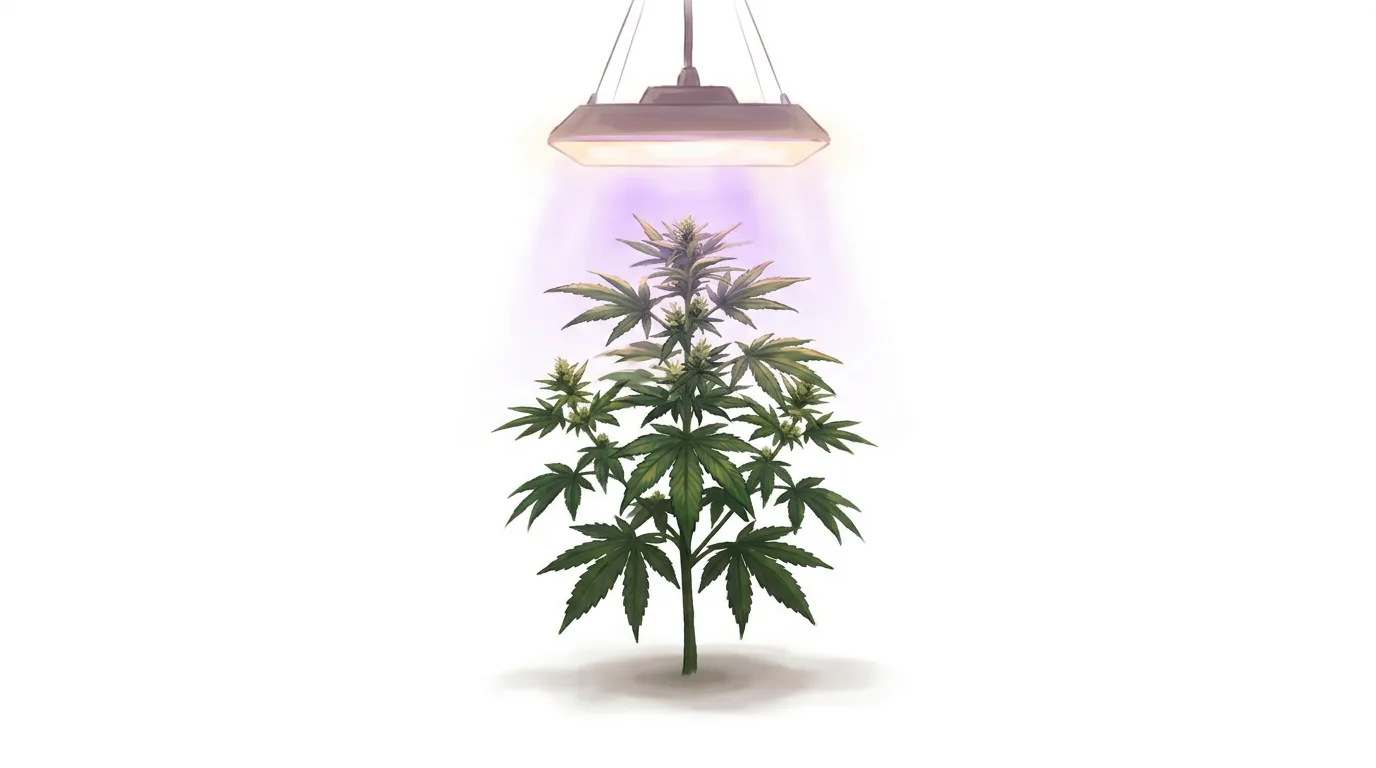
Short answer: no — and pushing UV can actively cost you. The cleanest controlled evidence found that supplemental UV-B didn’t raise cannabinoid concentration or yield in harvested flower at all; instead it shrank apical buds by up to 78% and, in one cultivar, lowered THCA. So the popular “UV boosts THC” claim isn’t just unsupported — at the intensities people chase, it runs the other way.
On top of that, too much UV stresses and damages plant tissue and is genuinely hazardous to your eyes and skin. Potency is driven mainly by genetics and a solid environment with enough light intensity — not a UV bar. “Add UV for more THC” is one of the most repeated bits of grow-room lore, sold on plenty of supplemental UV bars. It sounds plausible — UV is stressful, plants make resin as protection, therefore more UV equals more potency. But when researchers actually tested it, the neat story didn’t survive contact with the data. Here’s what the evidence says.
The short version:
- The claim: UV-B light stresses cannabis into producing more THC
- A controlled study (Rodriguez-Morrison et al., open access) tested it directly
- Result: added UV-B cut yield (apical buds down as much as 78%) and never raised cannabinoid concentration — in one strain it lowered it
- Too much UV can stress and damage the plant — and the grower’s eyes and skin
- Potency is driven mainly by genetics and a solid environment, not a UV bar
Want the full breakdown? Keep scrolling.
What’s the UV myth?
The reasoning sounds sensible: in nature, plants at high altitude get more ultraviolet light and produce more protective compounds, so a grower adds a UV bar expecting the plant to crank up THC as a sunscreen. It’s an intuitive, widely repeated idea — and intuition is exactly where grow-room myths come from. The trouble is that “plausible mechanism” isn’t the same as “measured effect,” and this is a case where someone went and measured.
What did the research actually find?
A controlled study by Rodriguez-Morrison and colleagues (open-access, CC-BY) set out to test whether supplemental UV-B increased cannabis yield and cannabinoid concentration. The headline finding: it backfired. The plants given extra UV-B were no higher in cannabinoids or yield than those without it — and worse, apical bud weight fell as UV-B rose, down as much as 78% in one cultivar, while that same cultivar’s THCA actually decreased. In other words, the central promise behind the UV-for-THC pitch didn’t just fail to appear — at these intensities the plant lost both weight and, sometimes, potency. That doesn’t mean light spectrum is irrelevant to the plant (it isn’t), but it does mean the specific “bolt on a UV bar and watch THC climb” claim runs backwards against the cleanest evidence available. Treat added UV not as a free potency lever but as a stressor that can cost you.
So should I add UV to my grow?
For most growers, no — not for potency. Beyond the lack of a proven THC boost, there are real downsides: too much UV is a stressor that can damage plant tissue, and UV is genuinely hazardous to your eyes and skin, so any UV supplementation needs proper eye protection and care. The far more reliable levers for strong bud are the boring ones: good genetics (potency is largely set by the strain you chose), enough overall light intensity at the canopy, and a stable environment through flower. A solid full-spectrum LED (DIG stock honest ones) grows excellent flower without a separate UV bar. If you want to experiment with UV later, do it as a curiosity with eye protection and honest record-keeping — not as a shortcut to potency the evidence doesn’t promise.
Common questions
Does UV light increase THC in cannabis?
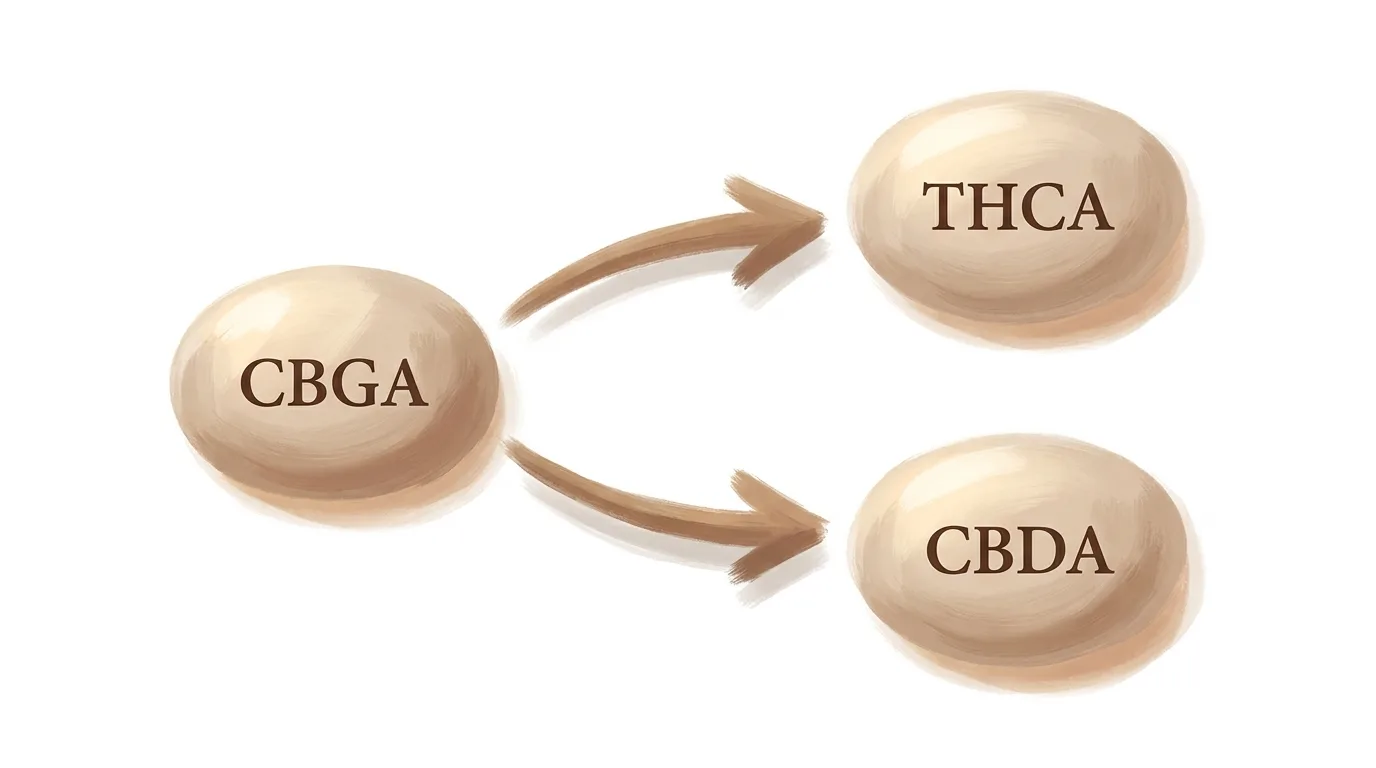
No — and it can backfire. The cleanest controlled study (Rodriguez-Morrison et al.) found supplemental UV-B raised neither cannabinoids nor yield; instead apical bud weight fell by up to 78%, and in one cultivar THCA actually dropped. The "UV boosts THC" claim isn't just unsupported — at the doses growers chase, it runs the other way.
Is adding a UV light to my grow worth it?
Generally not for potency — there's no proven THC benefit, UV can stress the plant, and it's hazardous to eyes and skin. Genetics, good light intensity and a stable environment matter far more.
What actually determines cannabis potency?
Mostly genetics, supported by adequate light and a stable growing environment. You can't push a strain far past its genetic ceiling with light tricks like UV.