Stage 7
 Stage 7
Vaporization
This one's hands-on and solvent-free, so it's taught start to finish.
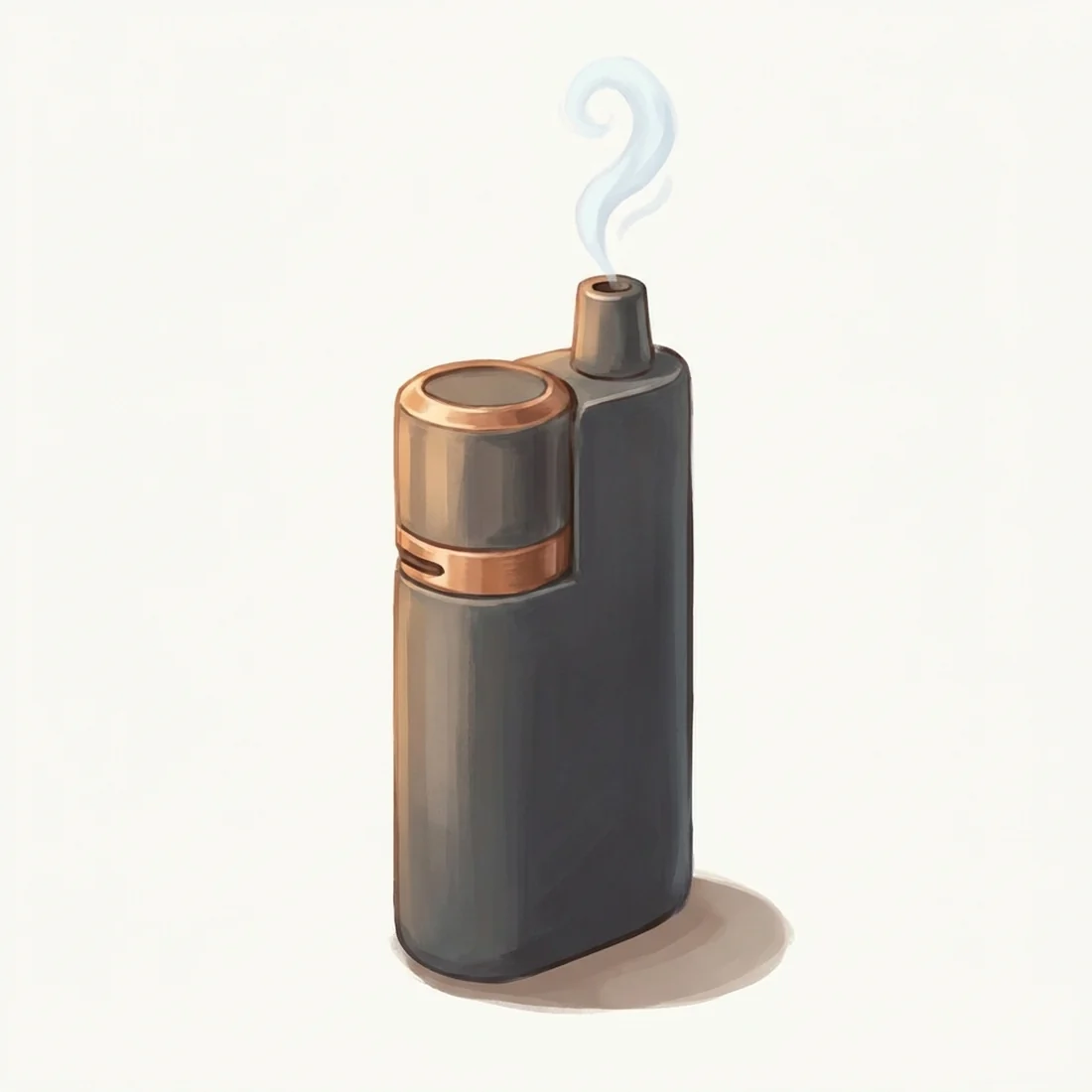
Vaporizing means heating cannabis just enough to release its cannabinoids and terpenes as vapour while staying below the temperature where plant matter actually burns — so you get the active compounds and the aroma without the smoke and tar of combustion. The one thing that makes it work is real temperature control: start at the low end for flavour and climb gradually.
The 1973 book describes dropping oil onto a hot surface and chasing the smoke. We’re not doing that — it’s crude and easy to burn. This is vaporization done the modern, controllable way.
The mistake to skip straight past
The old approach — oil on something hot, inhale whatever comes off — gets two things wrong at once: no temperature control, and a real chance of just setting it on fire and inhaling smoke. If you’re going to vaporize, the entire point is heat without combustion, and that needs a controlled temperature, not a hot plate and hope.
What vaporizing actually does
Seb
Cannabinoids and terpenes boil off as vapour at temperatures below the point where plant matter actually burns. Vaporization lives in that gap: warm the material enough to release the vapour, but stay under the temperature where it combusts. Done right you get the active compounds and the aroma without the smoke and tar that come from setting fire to anything. Get the temperature wrong on the high side and you’ve just built an inefficient, harsher pipe.
The method, done properly
- Use a vaporizer with a real temperature setting. Dry-herb or concentrate vaporizers exist precisely so you can hold a chosen temperature instead of guessing. This is the one piece of kit that makes the difference between vaporizing and accidental burning. (Concentrate-capable models are also the cleanest way to use home-made hash or rosin.)
- Start at the low end. Lower temperatures favour the terpenes — more flavour, lighter effect. Work up gradually if you want more from the same load. Starting low and climbing beats starting high and scorching.
- Load light, inhale gently. Vapour is less punishing than smoke, but it isn’t nothing — slow, gentle draws are kinder to your lungs and give the material time to release evenly. Well-dried and cured flower releases evenly; damp material just stews.
- Clean it. Residue builds up and gets harsh and grim. A vaporizer you actually clean stays pleasant and lasts.
Watch out for
- Combustion defeats the purpose. If you see smoke rather than vapour, you’re too hot — drop the temperature. The whole reason to vaporize is to avoid that smoke.
- “Vapour is harmless” is overstating it. It’s gentler than smoke; it is not air. Inhaling anything has a cost — keep loads modest and don’t chase it.
- Cheap, uncontrolled gadgets. The point is temperature control. A device that just gets hot is the old mistake in a new shell.
Check yourself
- What’s the core principle of vaporization in one phrase? (Heat without combustion — release the vapour below the temperature at which plant matter burns.)
- Why does temperature control matter so much? (Too hot and you combust the material, producing smoke and tar — the very thing vaporizing exists to avoid.)
- What does starting at a lower temperature favour? (Terpenes — more flavour and a lighter, more controllable result.)
- Why isn’t “vapour is completely harmless” a safe assumption? (Inhaling anything carries some cost; vapour is gentler than smoke but not nothing — keep it modest.)
Common questions
What is vaporization, in one phrase?
Heat without combustion — warming the material enough to release cannabinoids and terpenes as vapour while staying below the temperature where plant matter burns.
Why does temperature control matter so much?
Too hot and you combust the material, producing the smoke and tar that vaporizing exists to avoid. A device that just gets hot with no control is the old mistake in a new shell — if you see smoke rather than vapour, drop the temperature.
What does starting at a lower temperature give you?
The terpenes — more flavour and a lighter, more controllable result. Start low and climb gradually; it beats starting high and scorching the load.
Is vapour completely harmless?
No — it's gentler than smoke, but it isn't air. Inhaling anything carries some cost, so keep loads modest and take slow, gentle draws.
