Cannabis Late Flower and Ripening (Weeks 7–9)
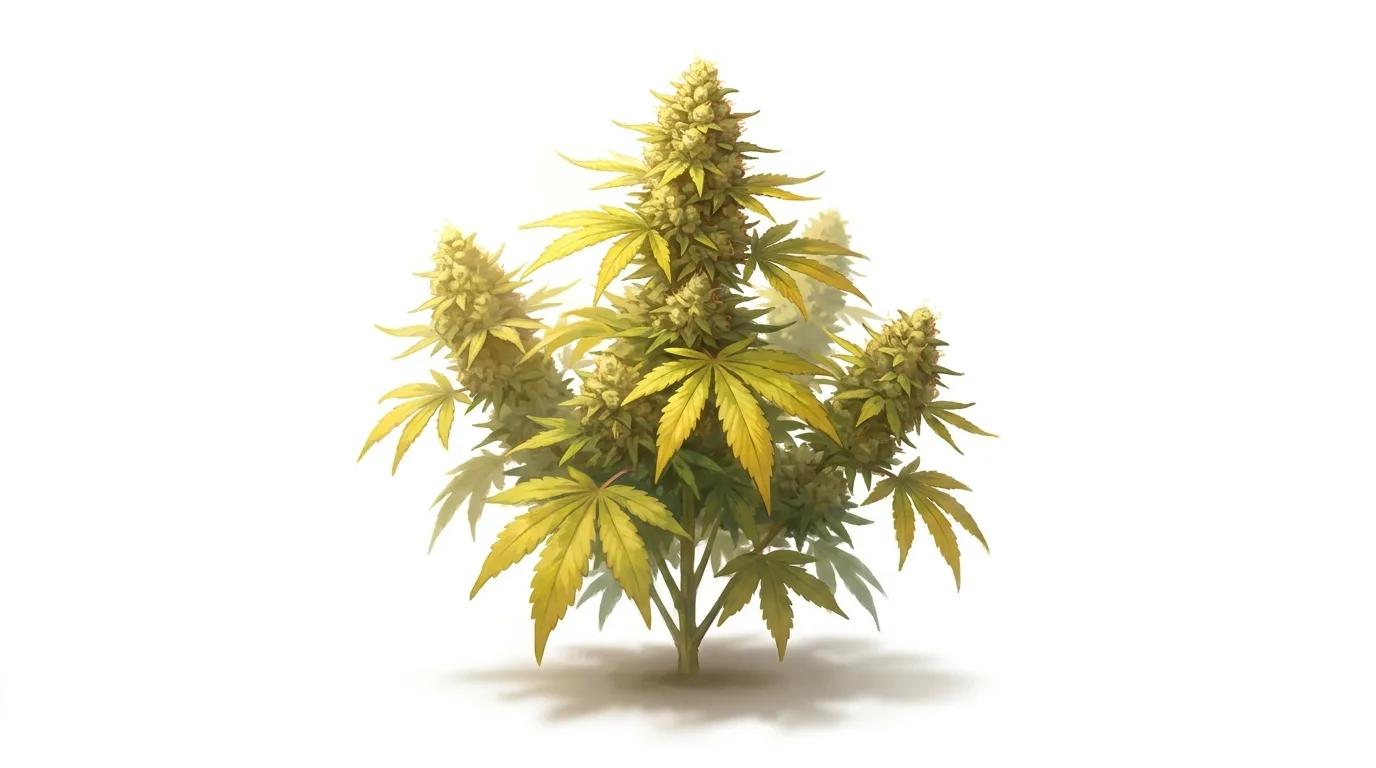
Short answer: in late flower (weeks 7–9) yellowing lower leaves are normal — the plant is pulling stored nutrients from its old leaves to ripen the buds — so don’t fight it with more nitrogen; wind the feed down instead (lower EC, minimal N) and most growers finish on plain pH’d water for the last week or so.
Judge harvest by trichomes under a loupe, not the calendar: aim for roughly 70–90% cloudy with 10–20% amber. Seed-bank timings are estimates and usually run a week or two short. Drop humidity to 35–40% to protect dense colas from rot. Late flower is the home stretch, and it’s where most growers crack — either by panicking at the yellowing or by chopping a week too early on the calendar’s say-so. The plant is doing exactly what an annual is meant to do at the end of its life. Your job is to wind things down, hold your nerve, and read the trichomes, not the date.
The short version:
- Lower leaves yellowing and dropping is normal — the plant is feeding its buds from itself
- Wind the feed down: lower EC, minimal nitrogen, P and K easing off
- Bring humidity to 40% or below to protect dense buds from rot
- Seed-bank flowering times are estimates — most strains run a week or two longer
- Judge harvest by trichomes (a loupe), not by weeks since the flip
Want the full breakdown? Keep scrolling.
Why are the leaves yellowing in late flower?
Because the plant is cannibalising itself on purpose. As she approaches maturity she pulls mobile nutrients from her old fan leaves to fuel the final push of flower, so the lower leaves yellow, fade and drop and the bright green turns autumnal. This is the Nurse’s trap — she sees yellowing, reaches for nitrogen, bumps the feed, adds CalMag, and refuses to accept the plant is supposed to look like this. The leaves are dying because the plant is finishing, not because you’re failing. Late flower is a reduction game: EC comes down to around 1.8–2.0 or lower, nitrogen goes minimal, phosphorus and potassium ease off. A late PK nudge can help bulk the last couple of weeks, but it’s a nudge, not a shove — help her finish, don’t try to restart her. Most growers give plain pH’d water for the final week or so; treat that as a gentle finish, not a magic quality step.
How do I know when she’s actually ready?
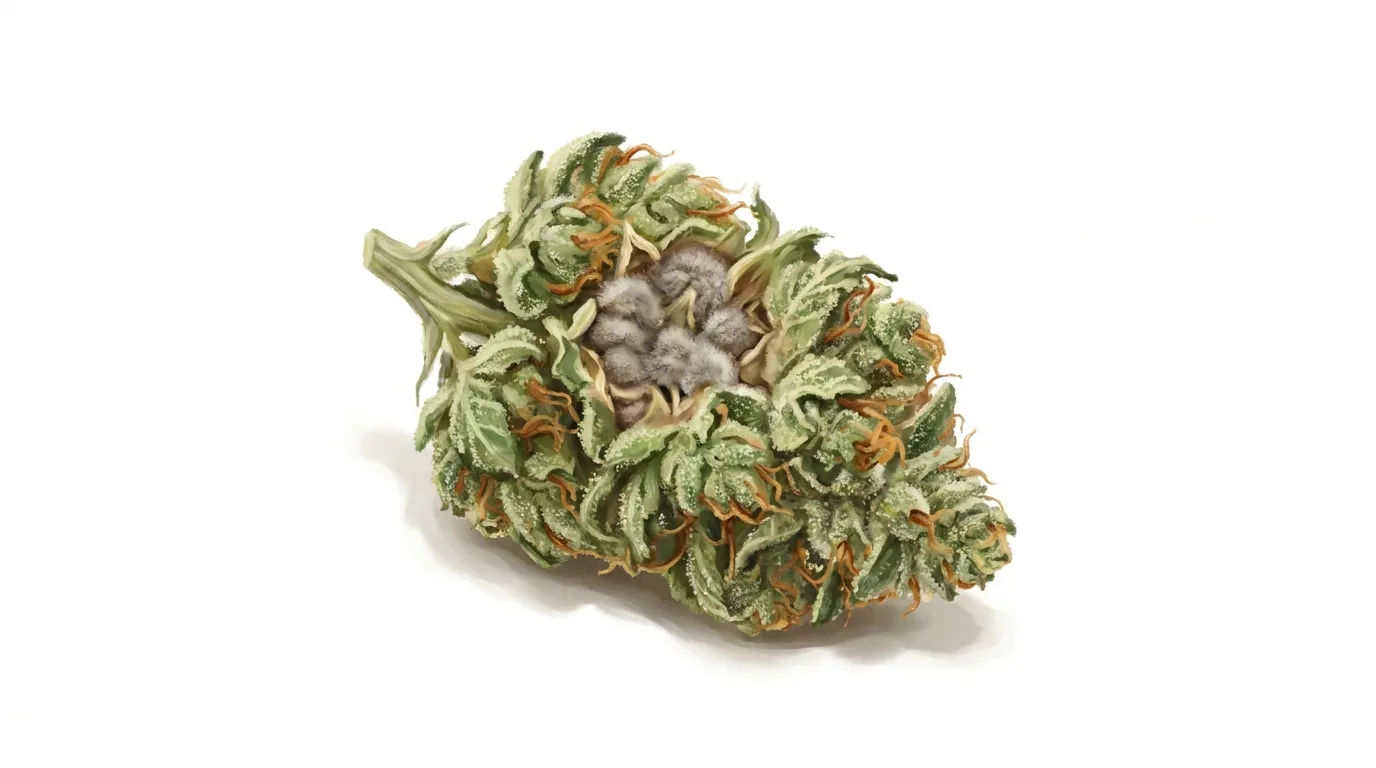
Not the calendar. Seed-bank flowering times are estimates built on ideal conditions and a little marketing optimism, and most strains — especially in a beginner’s less-than-perfect tent — run a week or two longer. The only reliable read is the trichomes: the tiny mushroom-shaped glands on the buds (not the leaves, which mature at a different rate). Under a loupe (DIG stock them for a tenner) you’re looking for clear (not ready — racy, thin), cloudy/milky (peak), and amber (degrading toward sedative). The general target is 70–90% cloudy with 10–20% amber: harvest earlier in that window for a more energetic feel, later for a heavier one. Check several bud sites and average them — tops ripen before lowers, so a staggered harvest (chop the tops, give the lowers another week) can squeeze extra quality from one plant.
What environment finishes a plant well?
Drop humidity to 35–40% in the last weeks: it protects those dense, vulnerable colas from bud rot and, some growers reckon, nudges resin production as a mild defensive response. Hold your temperatures steady in range and resist fiddling — the plant is winding down and wants calm, not interventions. The pistils browning and curling, swollen resinous calyxes, and the overall autumn look all support the trichome read, but they don’t replace it. The trichomes are the truth; everything else is supporting evidence. Hold your nerve through this stage and you collect what the whole grow was for.
Common questions
Why are my leaves turning yellow in late flower?
The plant is pulling stored nutrients from its old leaves to ripen the buds. It's normal and expected — don't try to fix it by feeding more nitrogen.
How do I know when to harvest?
By the trichomes under magnification, not by weeks. Aim for mostly cloudy with some amber. Seed-bank timings are estimates and usually run short.
Should I stop feeding in late flower?
Wind it down rather than stop dead — lower EC, minimal nitrogen — and most growers finish on plain water for the last week or so. Watch the plant, not a fixed schedule.