Cannabis Edibles Dosing and Safety
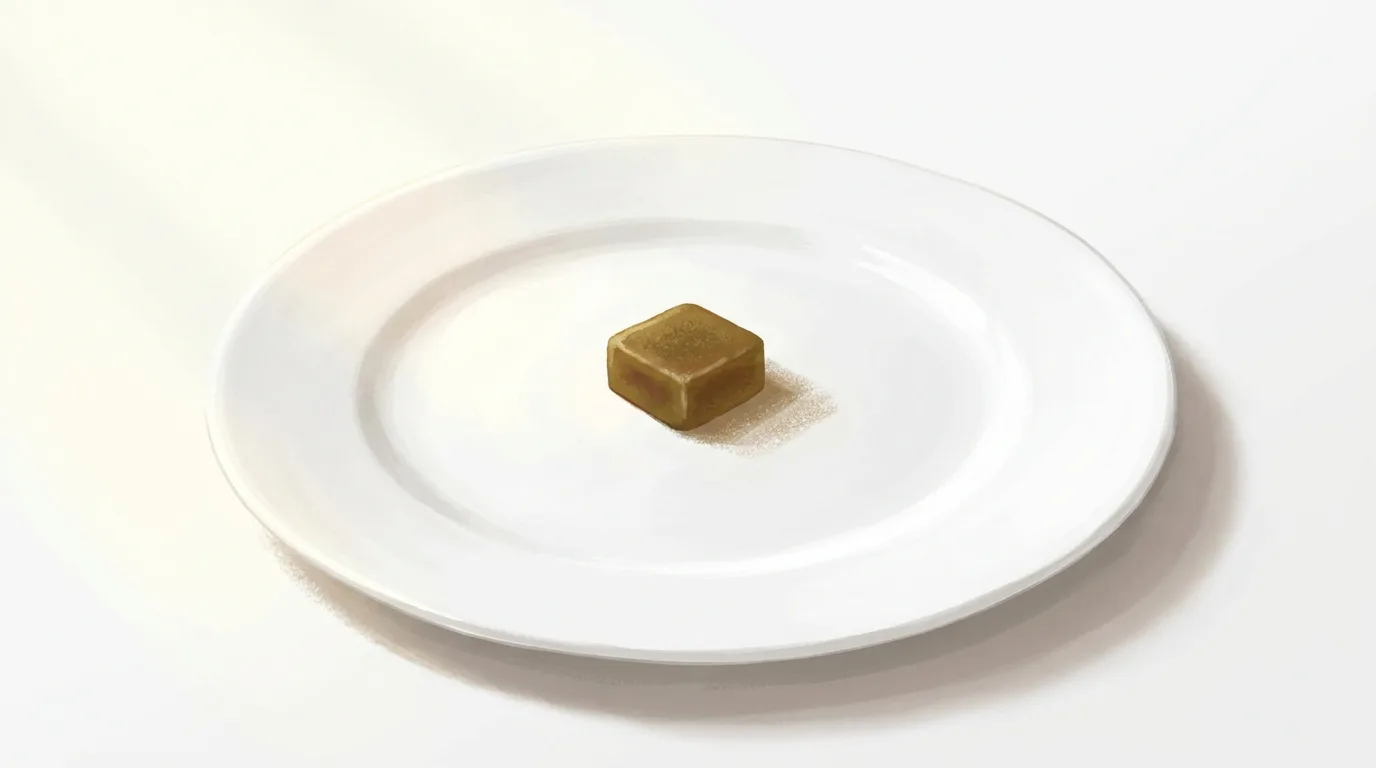
Short answer: homemade edibles can’t be dosed by eye because every batch differs, so start with a small piece — part of a square, not a whole one — and wait two full hours before any more.
Edibles take one to two hours to come on, then build, hit harder and last far longer than smoking, and the delay is what catches everyone. Store them labelled, apart from normal food, and locked out of reach of children and pets — a tray of cannabis brownies looks exactly like ordinary brownies. Edibles are where careful growers come unstuck, because the thing that makes them pleasant — a slow, strong, long effect — is also what makes overdoing it so easy. Homemade ones can’t be measured by eye, so the safety rules matter more than any recipe. Here’s how to dose sensibly and store them so nobody gets a surprise.
The short version:
- Homemade edibles can’t be dosed precisely — every batch differs
- Start low: a small piece, not a whole one
- Wait two full hours before eating more — the delay is the trap
- Edibles hit harder and last far longer than smoking
- Store them labelled and locked away from children and pets
Want the full breakdown? Keep scrolling.
Why can’t I dose homemade edibles by eye?
Because too many variables stack up uncontrolled: the potency of your starting material, how efficient your decarb was, the fat content of your butter, how evenly it mixed, and the size of the piece someone cuts. Without lab testing — which you don’t have — every batch is a different strength, and so is every brownie within it if the mix wasn’t even. That’s why the honest advice is never “eat one square”; it’s start with a small piece — a bit of a square — and judge from there. A small piece might be plenty or might still be a lot; you simply don’t know until you’ve felt that batch, so you treat an unknown-strength homemade edible like exactly that.
Why does the waiting matter so much?
Because edibles are slow to arrive, and the delay is what catches everyone. Smoked cannabis hits in minutes; an edible can take one to two hours to come on, then builds, hits harder, and lasts much longer — because it’s processed differently by the body. The classic mistake is the Baker’s: eat a piece, feel nothing after an hour, eat more, and then all of it lands at once. So the rule is wait two full hours — not one — before considering any more. You can always eat more later; you can never un-eat what you’ve had. If someone does take too much, it isn’t pleasant — anxiety, a racing feeling, grogginess — but the practical response is calm: stay somewhere comfortable, hydrate, and let it pass, because the discomfort fades as the effect wears off. (This is general harm-reduction, not medical advice; if you’re ever genuinely worried about someone, seek medical help.)
How do I store edibles safely?
Like medicine, because that’s effectively how they need treating. The whole danger of an edible is that a tray of cannabis brownies looks exactly like ordinary brownies — so label clearly what’s in it and what the rough strength is, keep it apart from normal food, and store it out of reach of children and pets, ideally locked away (DIG stock airtight storage). Accidental dosing of a child or a pet is the serious risk here, and it’s entirely preventable with a label and a high shelf. One more, unrelated to dosing: if you made a tincture, the alcohol (Spirytus or similar at ~95%) is genuinely flammable — store it closed and cool, well away from the hob and any flame. Sensible labelling and storage turn edibles from a household hazard back into a treat.
Common questions
How much of a homemade edible should I take?
Start with a small piece — part of a square, not a whole one — and wait two full hours before any more. Homemade edibles can't be dosed precisely, so go low and slow.
Why do edibles take so long to kick in?
They're absorbed and processed differently than smoke, so they come on over one to two hours, then build and last much longer. Waiting for that delay before eating more prevents overdoing it.
How should I store cannabis edibles?
Labelled, separate from normal food, and out of reach of children and pets — ideally locked away. They look identical to ordinary treats, so clear labelling and safe storage prevent accidental dosing.